Oct . 31, 2024 12:03 Back to list
Exploring the Benefits and Applications of Graphite-Based Lubricating Grease
Understanding Graphite Grease A Comprehensive Overview
Graphite grease is a specialized lubricant that has gained significant attention in various industries due to its exceptional properties. Comprising a mixture of graphite and a thickening agent, this grease serves as both a lubricant and a protective barrier, making it an excellent choice for applications that experience high temperatures, heavy loads, and corrosive environments.
One of the primary advantages of graphite grease is its ability to withstand extreme temperatures. Traditional lubricants often lose their effectiveness when exposed to high heat, leading to increased friction and potential machinery failure. However, graphite grease remains stable at elevated temperatures, typically up to 350°C (662°F) or higher, making it suitable for applications in automotive, aerospace, and industrial sectors where heat is a concern.
Graphite, a naturally occurring crystalline form of carbon, provides several benefits as a lubricant. Its unique layered structure allows the sheets of graphite to slide over one another easily, reducing friction between moving parts. This is particularly useful in applications with heavy loads, where metal-to-metal contact can lead to wear and tear. By minimizing friction, graphite grease not only extends the life of machinery but also enhances overall efficiency.
Another notable feature of graphite grease is its excellent resistance to water and chemicals
. In many industrial settings, equipment is often exposed to water, oils, or other corrosive substances that can degrade standard lubricants. Graphite grease forms a protective layer that prevents moisture ingress, ensuring that the components remain lubricated and protected from rust and corrosion.graphite grease
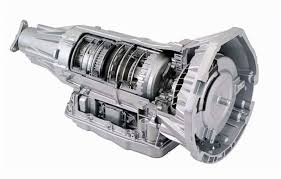
It is also important to highlight the versatility of graphite grease. It can be used in a variety of applications, from lubricating bearings and gears to providing protection for threaded connections and general machinery maintenance. Its ability to perform under a wide range of conditions makes it a preferred choice for engineers and maintenance professionals seeking a reliable lubricant.
Despite its many advantages, users should exercise caution when applying graphite grease. Due to its inherent structure, it can be messy to work with, leaving a residue that may attract dirt and debris if not managed properly. Therefore, careful application is essential to ensure optimal performance without the risk of contamination.
In addition to its mechanical properties, graphite grease also presents environmental benefits. As a solid lubricant, it reduces the reliance on liquid oils, which can be hazardous to both the ecosystem and human health if spilled. By utilizing graphite grease, industries can promote cleaner practices and enhance sustainability.
In conclusion, graphite grease stands out as an effective and versatile lubricant that excels in high-temperature and high-load applications. Its ability to resist corrosion, withstand extreme environmental conditions, and prolong equipment life positions it as a crucial component in modern maintenance strategies. By understanding and implementing graphite grease, industries can enhance machinery performance, reduce downtime, and support more sustainable practices. Whether in automotive, aerospace, or industrial settings, graphite grease proves to be an invaluable asset in today’s demanding operational landscape.
 French
  English
  Arabic
  Esperanto
  German
  Hindi
Hindi  Japanese
  Portuguese
  Russian
  Spanish