Jul . 28, 2024 05:31 Back to list
The Role of Graphite Rods in Enhancing Nuclear Reactor Efficiency and Safety Measures
The Role of Graphite Rods in Nuclear Reactors
Graphite rods have played a pivotal role in the development and operation of nuclear reactors since the early days of nuclear energy. Their unique physical and chemical properties make them an essential component in various reactor designs, particularly in moderation and structural support.
The Function of Graphite in Nuclear Reactors
One of the primary functions of graphite rods in nuclear reactors is to act as a neutron moderator. In a nuclear fission reaction, heavy nuclei, typically uranium-235 or plutonium-239, absorb neutrons and split into smaller nuclei, releasing energy in the process. However, for these reactions to sustain themselves in a chain reaction, the emitted neutrons need to be slowed down, or moderated. Here, graphite serves as an excellent medium due to its ability to slow down fast neutrons through elastic scattering.
Graphite's ability to slow down neutrons without absorbing them much, unlike materials such as water or concrete, is particularly beneficial in certain reactor designs. The slowed-down neutrons, or thermal neutrons, are more likely to be absorbed by fissile material, enhancing the efficiency of the fission process.
Structural Role of Graphite Rods
Beyond neutron moderation, graphite rods provide structural integrity to the reactor core. In designs such as the UK’s Magnox and AGR (Advanced Gas-Cooled Reactor) types, graphite serves as both a moderator and a structural material. The rods are arranged in such a way to maintain the optimal geometry for the nuclear reactions to take place while also holding the fuel elements in place and allowing for the circulation of coolant gases.
Furthermore, graphite has a high melting point and excellent thermal conductivity, which means that it can withstand the extreme conditions inside a reactor. Its stability at high temperatures allows for efficient heat transfer away from the core, which is crucial for maintaining safe operating conditions and preventing overheating.
Advantages of Graphite Rods
graphite rods used in nuclear reactor
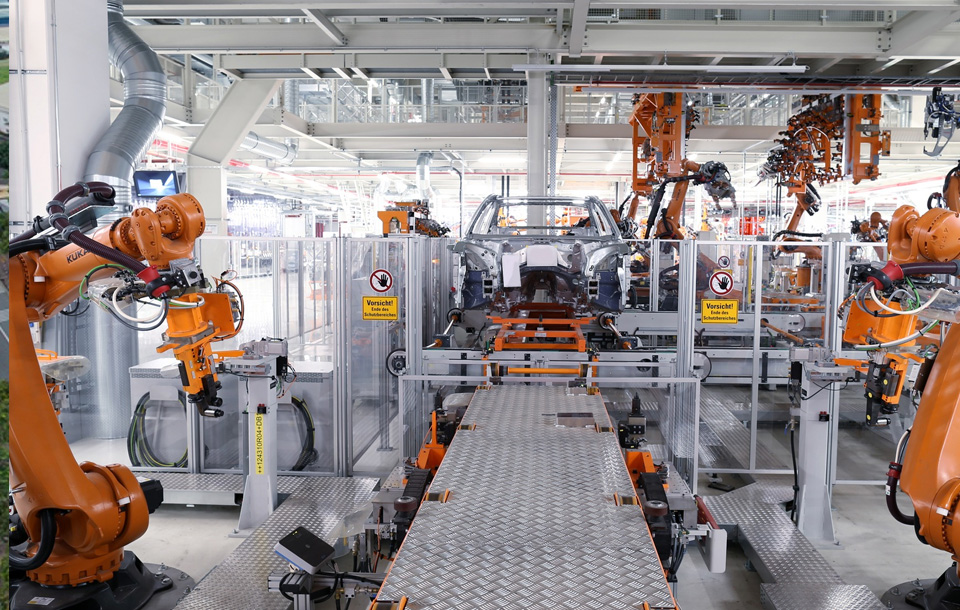
The use of graphite rods comes with several advantages. For one, they are generally less expensive compared to alternative moderating materials. Additionally, they are resistant to neutron damage, which contributes to the longevity of the reactor components. This makes graphite a cost-effective choice for long-term nuclear operations.
Moreover, graphite reactors often demonstrate higher fuel efficiency compared to water-cooled reactors. The ability of graphite to sustain high neutron fluxes allows for greater utilization of the fuel, leading to less nuclear waste produced per unit of energy generated.
Challenges and Future Developments
Despite their advantages, the use of graphite rods in nuclear reactors is not without its challenges. One significant concern is the potential for graphite to undergo oxidation at high temperatures. This necessitates careful monitoring and maintenance protocols to mitigate risks associated with degradation over time.
Moreover, the issue of radioactive waste management remains a critical concern. Graphite itself can become radioactive after prolonged exposure to neutron bombardment, and managing this waste is an ongoing challenge for the industry.
Looking to the future, innovations in reactor designs, including the development of advanced modular reactors and next-generation reactors that utilize different coolants, continue to explore the role of graphite. Research into new materials that can enhance safety and efficiency while addressing the challenges associated with traditional graphite use remains a key focus within the nuclear energy sector.
Conclusion
In conclusion, graphite rods are indispensable components of many nuclear reactors, fulfilling both moderating and structural roles. Their unique properties contribute to the safety, efficiency, and longevity of nuclear operations. As the industry continues to evolve, understanding the strengths and challenges of graphite will be crucial in advancing nuclear technology responsibly and sustainably.
 Japanese
  English
  Arabic
  Esperanto
  French
  German
  Hindi
Hindi  Portuguese
  Russian
  Spanish