Oct . 21, 2024 19:45 Back to list
Graphite Blades for Enhanced Performance and Durability in Various Applications
The Role of Graphite Vanes in Modern Engineering
Graphite vanes have emerged as a crucial component in various mechanical systems, particularly in applications where high durability and thermal resistance are required. As industries continue to evolve, the need for materials that can withstand harsh conditions while maintaining their structural integrity has become increasingly important. Graphite, a form of carbon known for its exceptional properties, has proven to be an ideal candidate for such applications.
Properties of Graphite
Graphite is characterized by its layered structure, which provides it with unique properties. These include high thermal conductivity, excellent chemical resistance, and significant mechanical strength. The layered arrangement of carbon atoms allows for easy cleavage, making graphite relatively soft and lubricious. This trait is particularly beneficial for vanes, which are often subjected to friction and wear in various operational environments.
One of the standout features of graphite is its ability to withstand high temperatures. This characteristic is indispensable in applications such as pumps, compressors, and turbines, where components may be exposed to extreme thermal conditions. Furthermore, graphite does not expand significantly when heated, allowing for consistent performance even under temperature fluctuations.
Applications of Graphite Vanes
Graphite vanes are widely used in rotary vane pumps, vacuum pumps, and air compressors. In these devices, the vanes play a pivotal role in creating a seal between the rotor and the pump casing. As the rotor turns, the vanes slide in and out of the rotor slots, compressing and moving the fluid or air. The lubricating properties of graphite reduce friction, enhancing the efficiency and longevity of the equipment.
In addition to fluid movement applications, graphite vanes are also utilized in certain types of engine designs, particularly in internal combustion engines. Here, they can act as seals and support structures in places where high temperature and pressure are common. Their ability to maintain performance under these conditions makes them an invaluable asset in automotive engineering.
Advantages of Using Graphite Vanes
graphite vanes
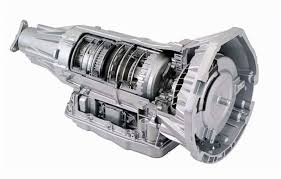
The introduction of graphite vanes into engineering designs offers numerous advantages. Firstly, their low friction characteristics lead to increased energy efficiency. When resistance is reduced, the machinery operates more smoothly and consumes less power, which is a crucial consideration in today's energy-conscious environment.
Secondly, the durability of graphite vanes means reduced maintenance requirements. Machinery downtime can be costly; hence, components that can withstand wear and maintain performance contribute to overall operational efficiency. This reliability translates to lower replacement costs and minimizes disruptions in production cycles.
Moreover, graphite is a naturally occurring material, making it a more environmentally friendly choice. As sustainability becomes an increasingly important consideration for industries, the use of natural materials like graphite provides a pathway to more responsible manufacturing practices.
Challenges and Future Prospects
Despite their numerous advantages, the implementation of graphite vanes is not without challenges. Graphite’s brittle nature can sometimes pose issues during manufacturing and handling. Engineers must be mindful of the balance between utilizing the material’s strengths and mitigating its weaknesses.
The future of graphite vanes looks promising, especially with ongoing advancements in material science and engineering techniques. Innovations such as composite graphite materials which combine the benefits of graphite with other elements could lead to even greater performance and versatility. Additionally, as industries look for ways to reduce their carbon footprint, the development of new methods for recycling and repurposing graphite could play a critical role.
Conclusion
Graphite vanes represent a remarkable synergy between traditional material properties and modern engineering requirements. Their unique characteristics make them indispensable in various applications, contributing to enhanced performance, energy efficiency, and sustainability in engineering practices. As research continues to push the boundaries of what is possible with graphite, we can expect to see even greater innovations in the use of these versatile components, shaping the future of many industries.
 Portuguese
  English
  Arabic
  Esperanto
  French
  German
  Hindi
Hindi  Japanese
  Russian
  Spanish